Move better, stay flexible, be stronger and resilient. On a physical level, Feldenkrais helps us improve our suppleness, balance, posture and freedom of movement. You will be healthier than your peers if you look after your physical well-being.
Embodiment. Connect with your body. On a sensory awareness level, Feldenkrais trains us to sense what we are doing and how. We become good at feeling our inner sensations and so can prevent problems developing much earlier.
Support your own mental well-being. On a mental level, Feldenkrais helps us to better regulate the body-mind and our relationship with our stress response and our emotions. It also helps us interact better socially with the people around us.
The exercises, developed by Dr. Moshe Feldenkrais from the 1940s to the 1980s, use movement with awareness to activate the learning brain. Mindful awareness leads to change from the inside out, and this approach is the Feldenkrais Method’s unique strength.
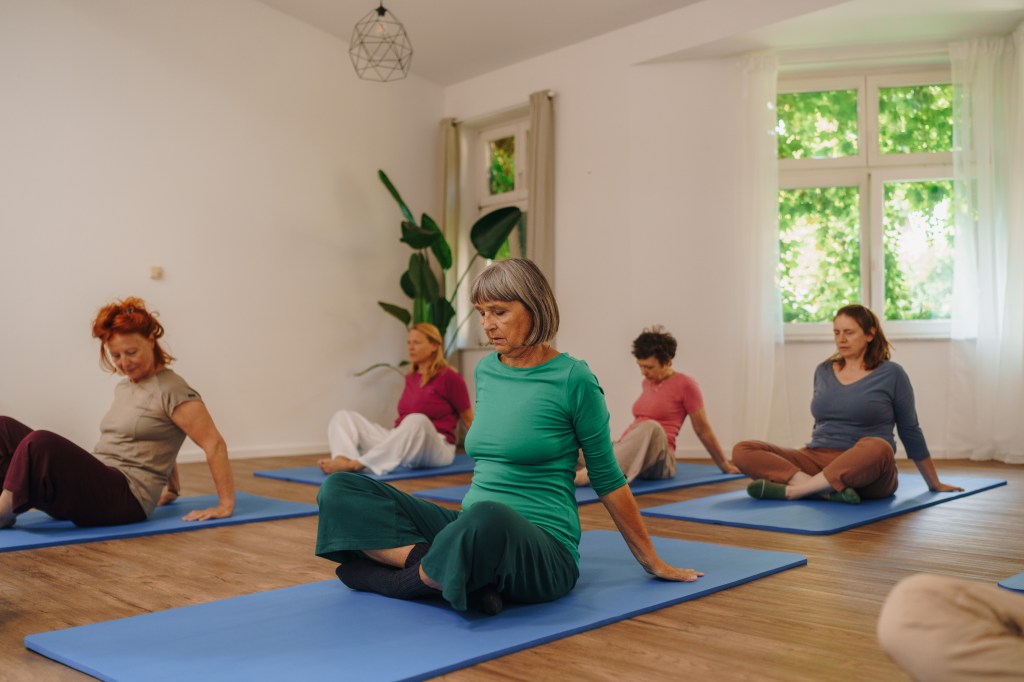
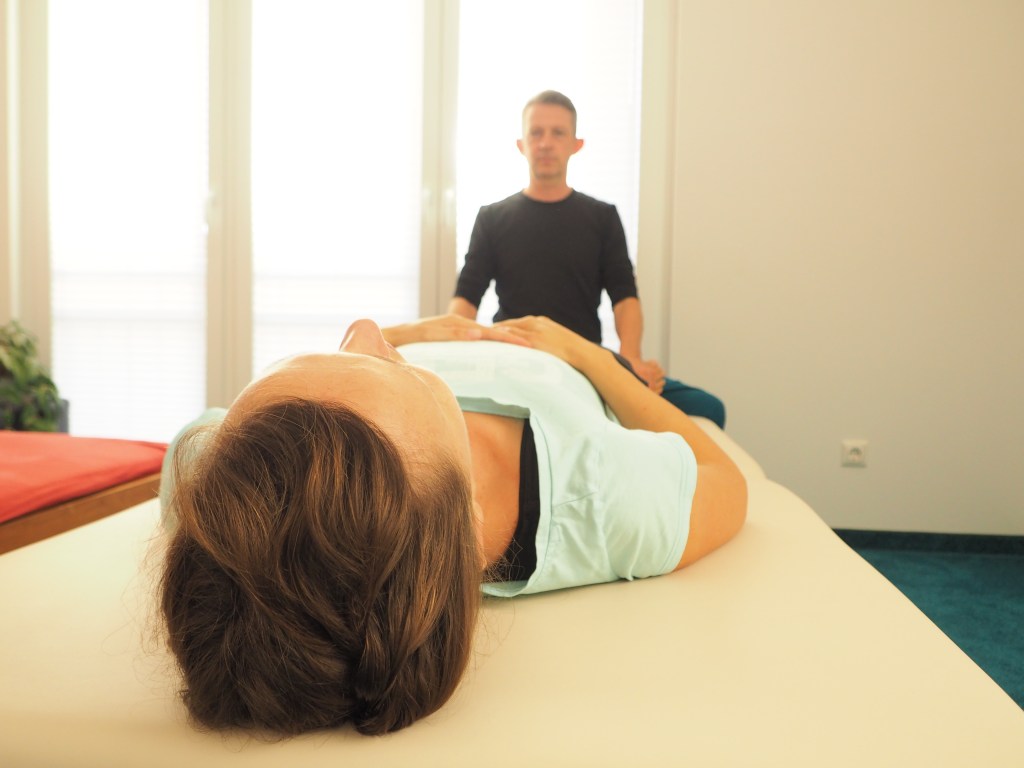
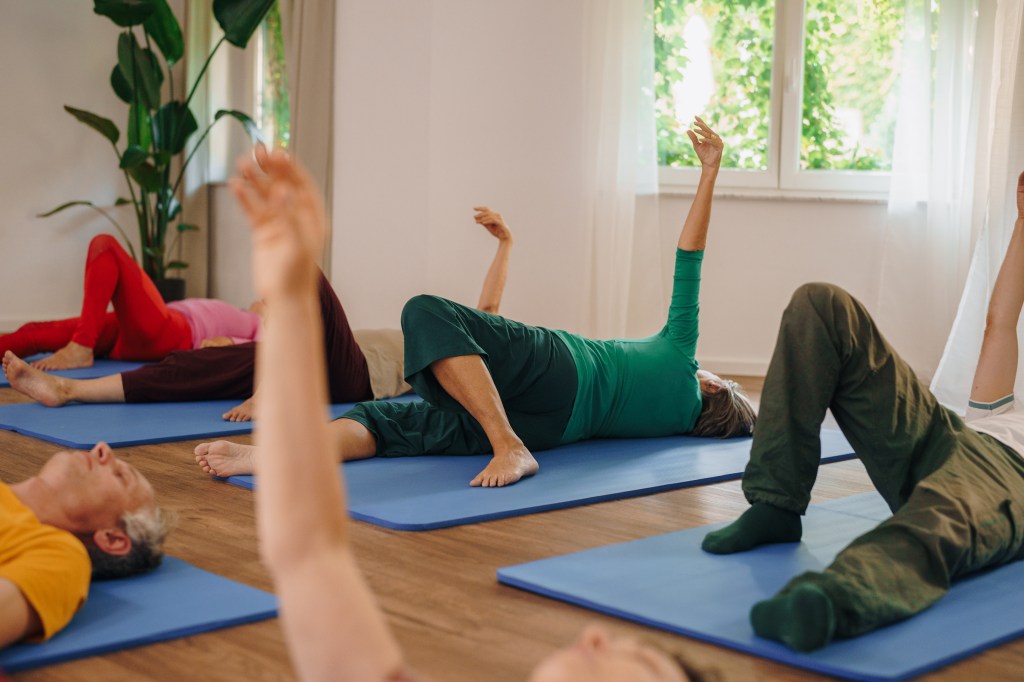
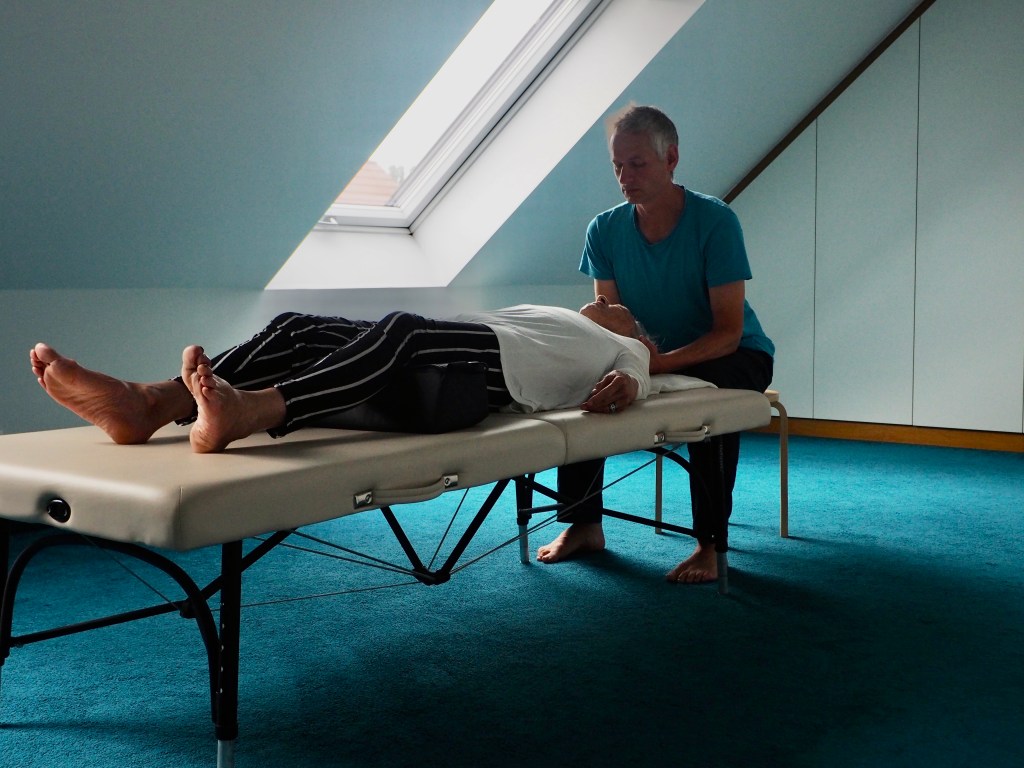
„This awareness is something that we just don’t get in our day-to-day, when we are just dashing like a bull dog through life.“ Olivia., trainer.
How does it work?

Doing movements with mindful sensing activates the learning centres of the brain.
When movements are done with focussed awareness, they automatically become more efficient.
Then they get re-coded in the brain as habits. Feldenkrais rewires the brain through learning.
Photo from Unsplash.
It is interesting to feel the way that everything balances better …. Trevor, 88. & Jutta, 86
Putting the ‚whole‘ into holistic…

… in Feldenkrais we see the whole person and their environment.
… Feldenkrais is not ‚instead-of‚ your other needs – it is ‚with and in-addition-to‚ them.
… You can continue to do your normal activities.
Image Unsplash/ Josue Michel
Why pleasure and comfort are so important …
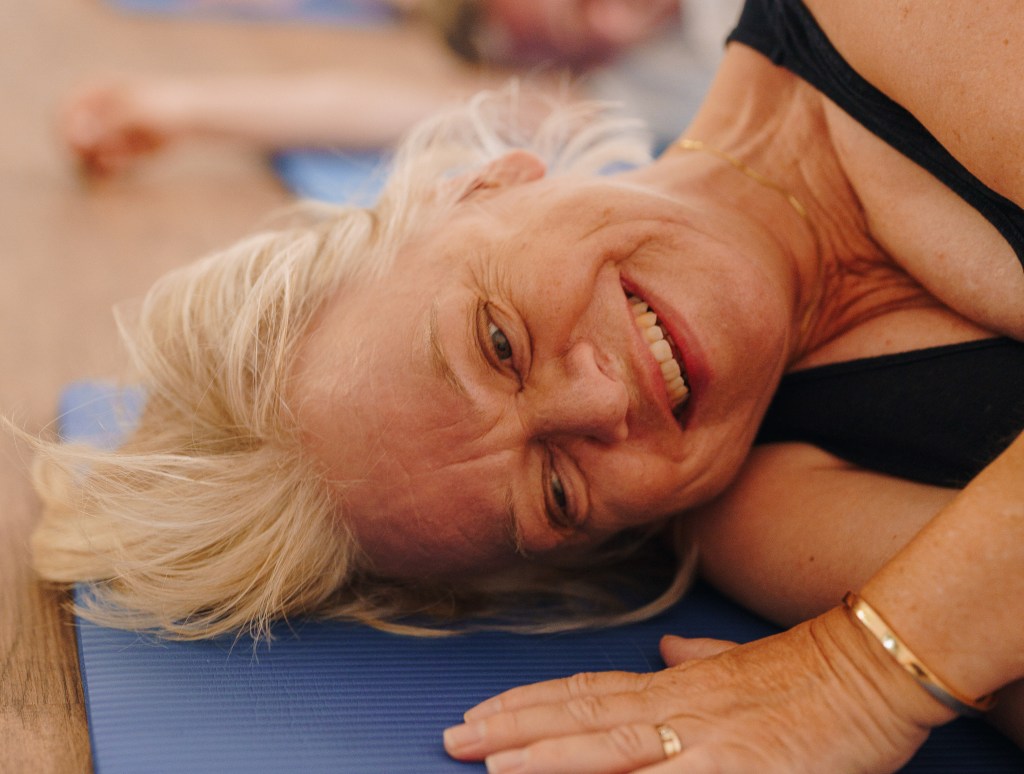
… every session is different, there is no mindless repetition.
Because boredom is deadly. Your curiosity and engagement are necessary for deep seated learning and change.
Image ©Fiona Körner
„I found it very relaxing again … These sort of exercises, the shoulder almost says „thank you, I really needed that, I wanted that“. I totally feel imbered up again. It feels great.“ Jutta, 86
Why we avoid mindless repetition …
While fitness or strength training change the quantity of a movement that we already know how to do, they do not help us do that movement better. They can even be boring or painful.
In Feldenkrais we work smarter, not harder. We work to improve the quality of our movement. With better control and efficiency, we can get more out of other activities like fitness and strength training because we have more control and less risk of injury.
We avoid pain…

… because pain is a stress factor for the nervous system which stops us being present and inhibits positive change.
You won’t feel pain in Feldenkrais like many people do in other therapeutic or movement approaches.
Image from Unsplash+.
„I enjoy the fact that it is not stressful. … I find yoga increasingly stressful, the balance poses and things like that.“ Kevin.
We avoid judgement…

… … because it’s not about judging right and wrong, or competitiveness and being better than someone else.
It’s about discovering that you can change how you are and so feel better and move better.
Image from Unsplash.
We meet you at eye level…

… we avoid applying labels.
… we don’t tell you how you are wrong.
… we accept you as you are and meet you as an equal.
… we support your engagement with your own life choices.
Image from Unsplash+
Feldenkrais empowers the individiual.
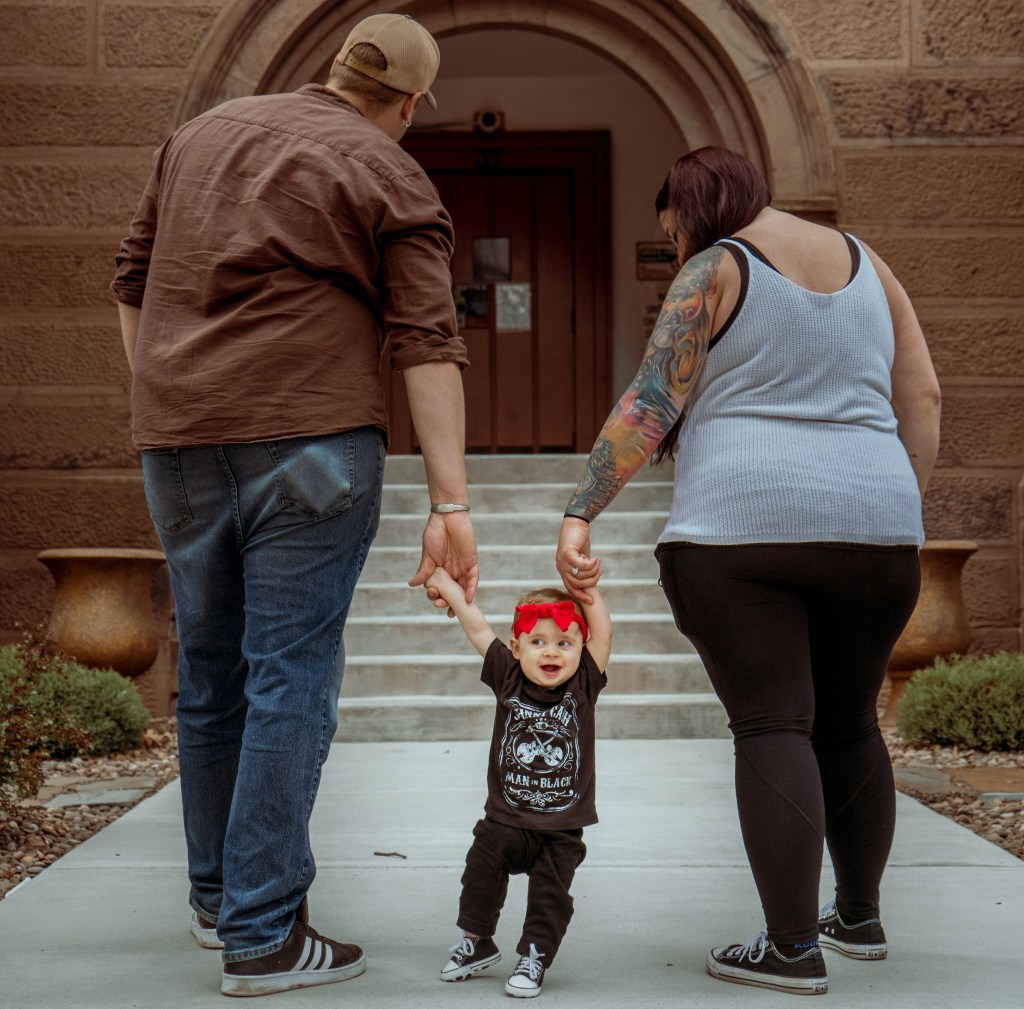
We don’t presume to know all the answers.
No one understands the body and the brain fully, even when they claim extensive knowledge. Yet our bodies have millions of years of evolutionary wisdom that we can tap into given we have the right tools.
What I and my Feldenkrais colleagues do know is how to create the conditions where our clients can find their own solutions given the right guidance.
Solutions that come organically from the inside are unique to you and long lasting.
Image from Unsplash.
„I find it interesting when you do a movement so slowly, which we never do in our lives, ever …. then you become very acutely aware … just noticing when you do it slowly, you go „ah, there’s a blockage there, or it doesn’t quite want to move there. Awareness is something that we just don’t get in our day to day…“ Olivia, 60
Feldenkrais is not a 5 minute hack.
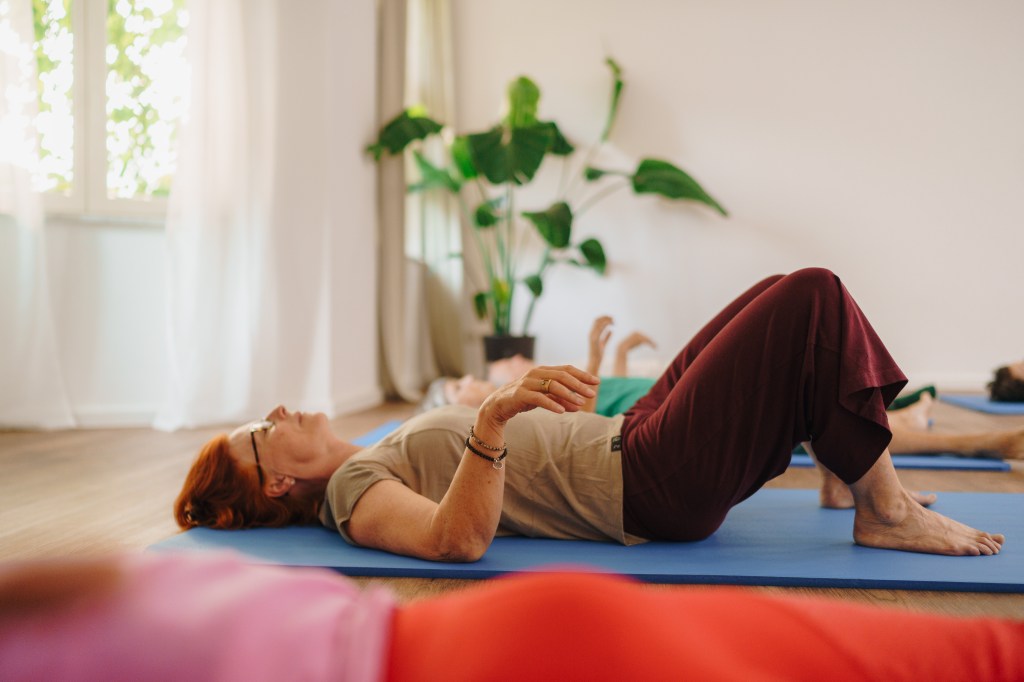
Feldenkrais is not a quick hack. Prepare to know yourself and then exceed your expectations.
Sustainable changes take time and can not be „hacked“ or shortcut.
Virtual reality is a simulation. In Feldenkrais you are meet your real self. Change requires focus, openess, fun, curiosity and subtlety.
Real change on the inside brings unexpected rewards.
Be patient and attend three to five sessions until you notice deep changes and long term shifts in your ability or well being.
Image ©Fiona Körner
„I am 76 and in all my life, I never did movements like we did today, never ever in my life. I am so happy.“ Dagmar. Homeopath.
Feldenkrais is an oasis of calm in a world of noise.
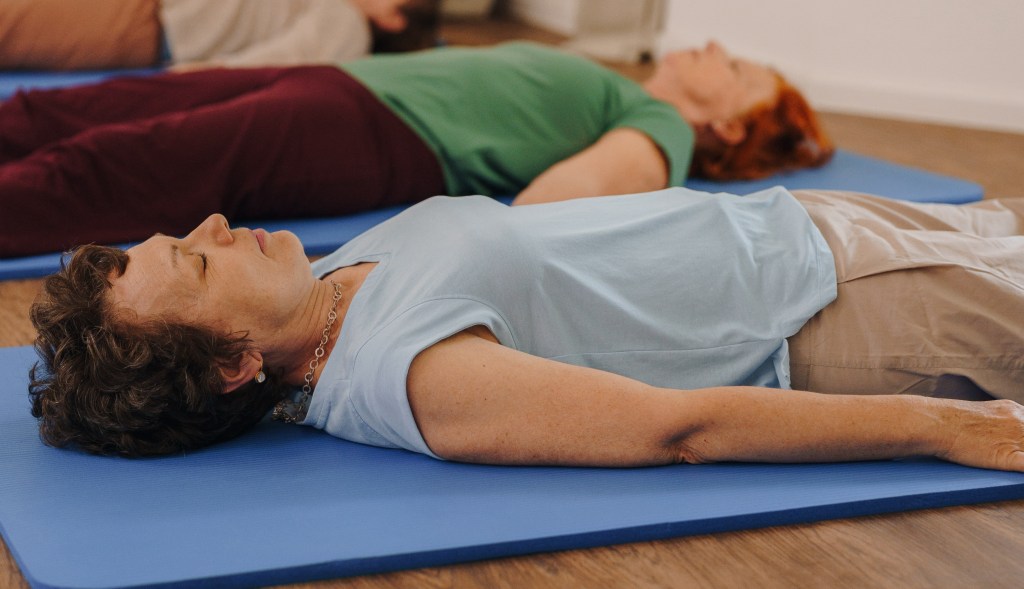
Feldenkrais sessions are a rare oasis of calm and focus for people who don’t like noisy, strenous activities.
„Hectic“ is the wrong approach to change your abilities.
Slowing down takes getting used to but is the only way to bring about sytem change.
And once you can go slow well, then you can go fast like no one before.
Image ©Fiona Körner
 Movement Solutions